Designing for
“I don’t know.”
Most AI interfaces are designed to sound confident. I design the other states: partly sure, not sure, or shouldn’t be answering at all. Ten years of voice and recognition work at Microsoft and Google, now pointed at that moment.
11 projects, all running software
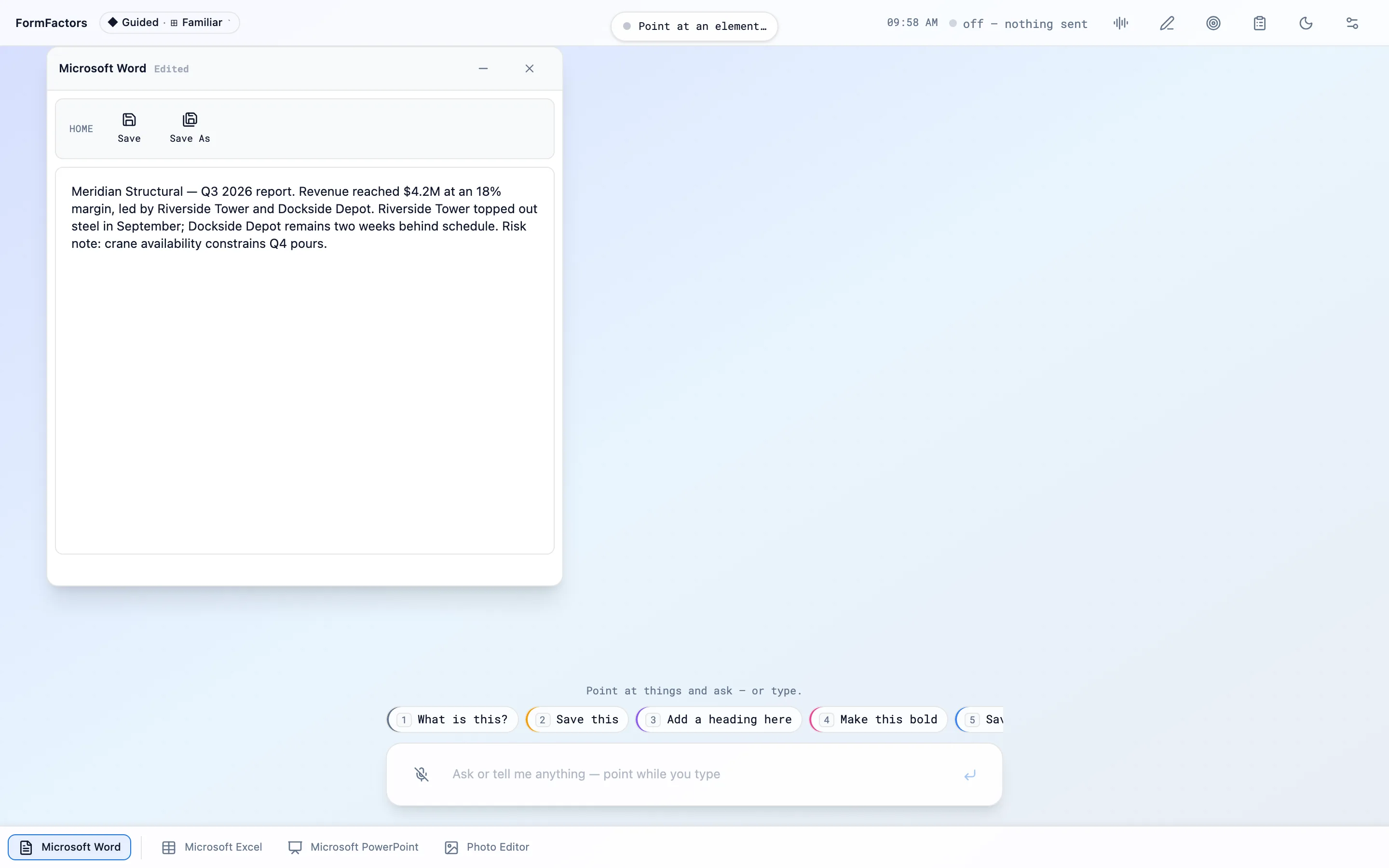
FormFactors
An agent that never claims to see something it can't.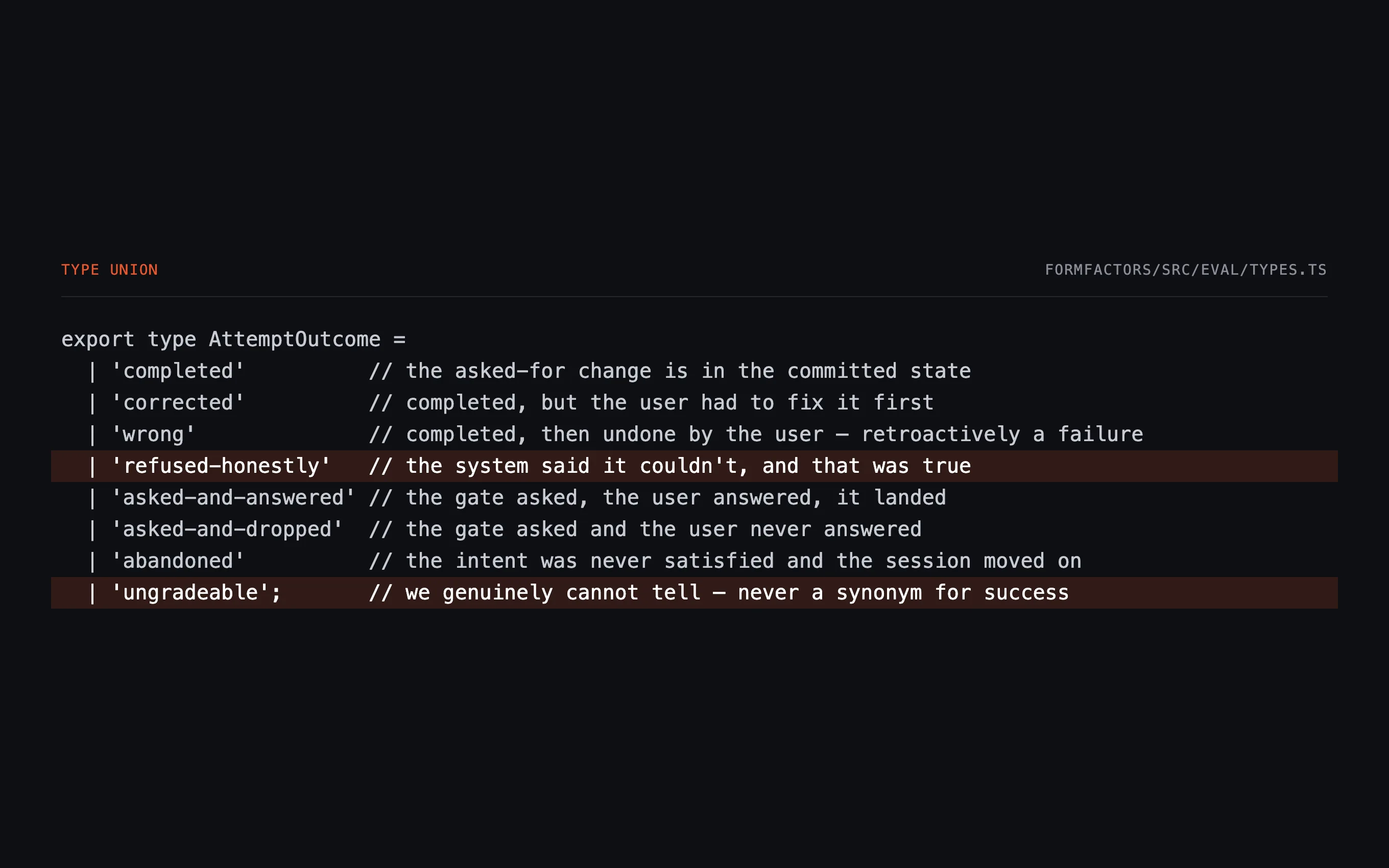
Grading the agent
How do you stop a system's own scorecard from flattering it?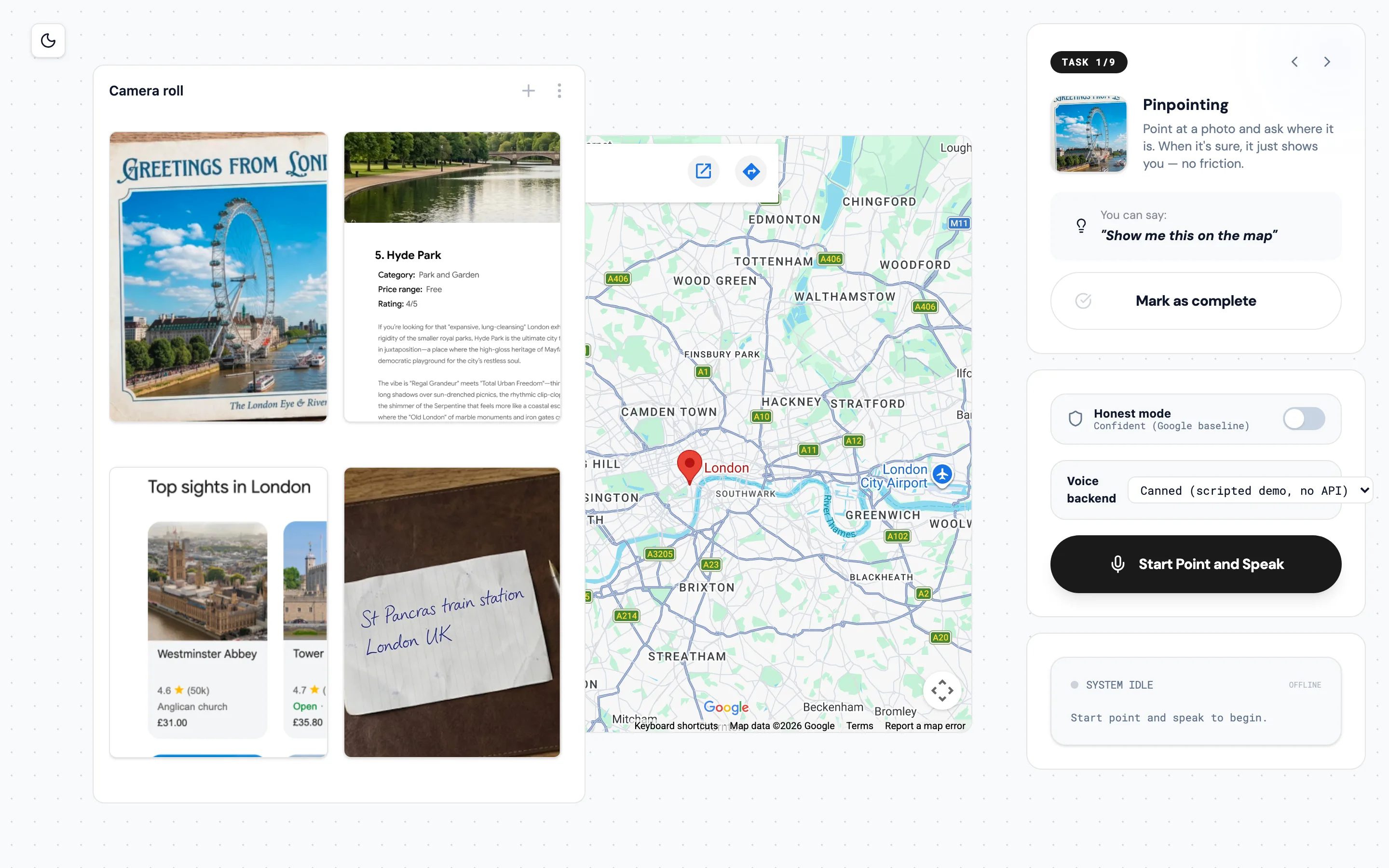
AIPointerRemix
The same assistant, twice — once confident, once honest.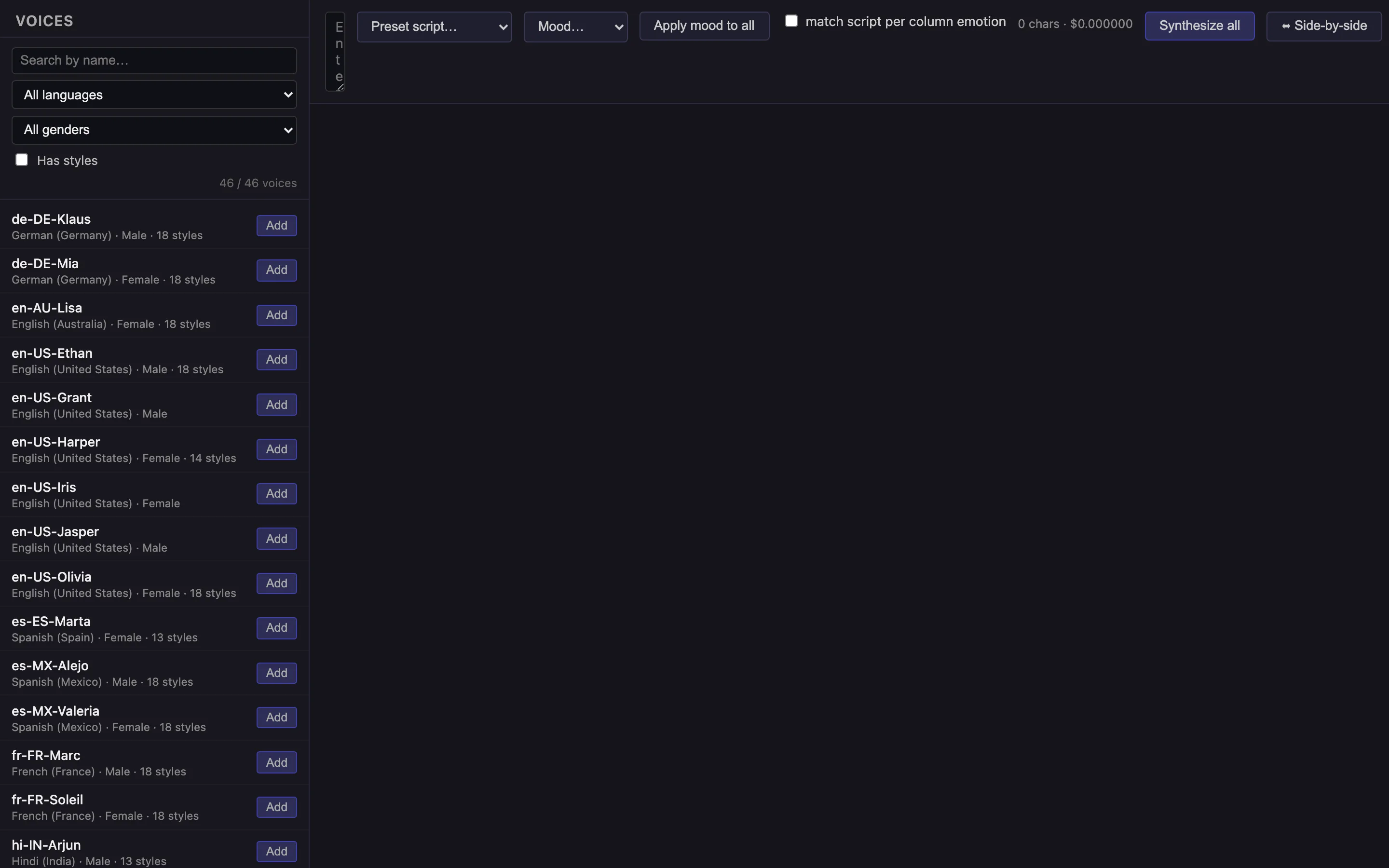
MAI-Voice-Lab
Prosody judgments deserve evidence, not impressions.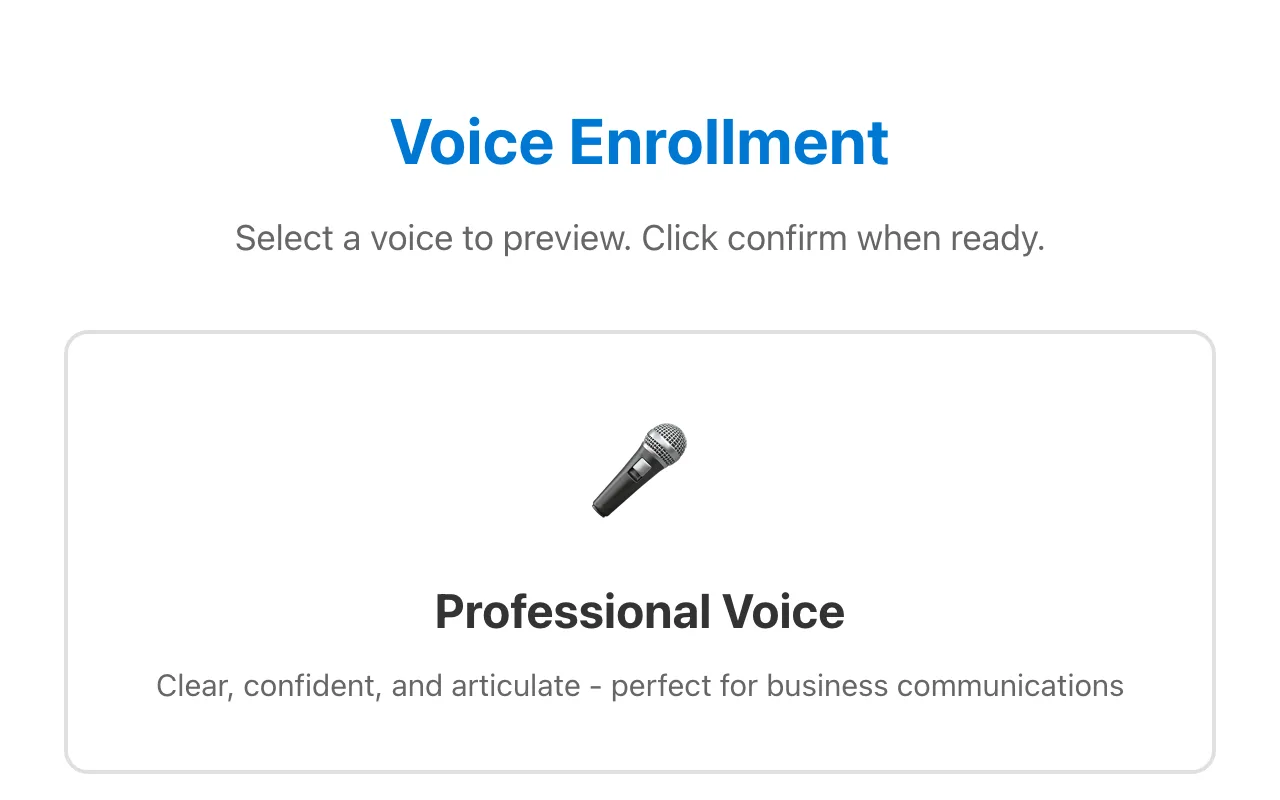
VoiceEnroll
The enrollment moment, and nothing else.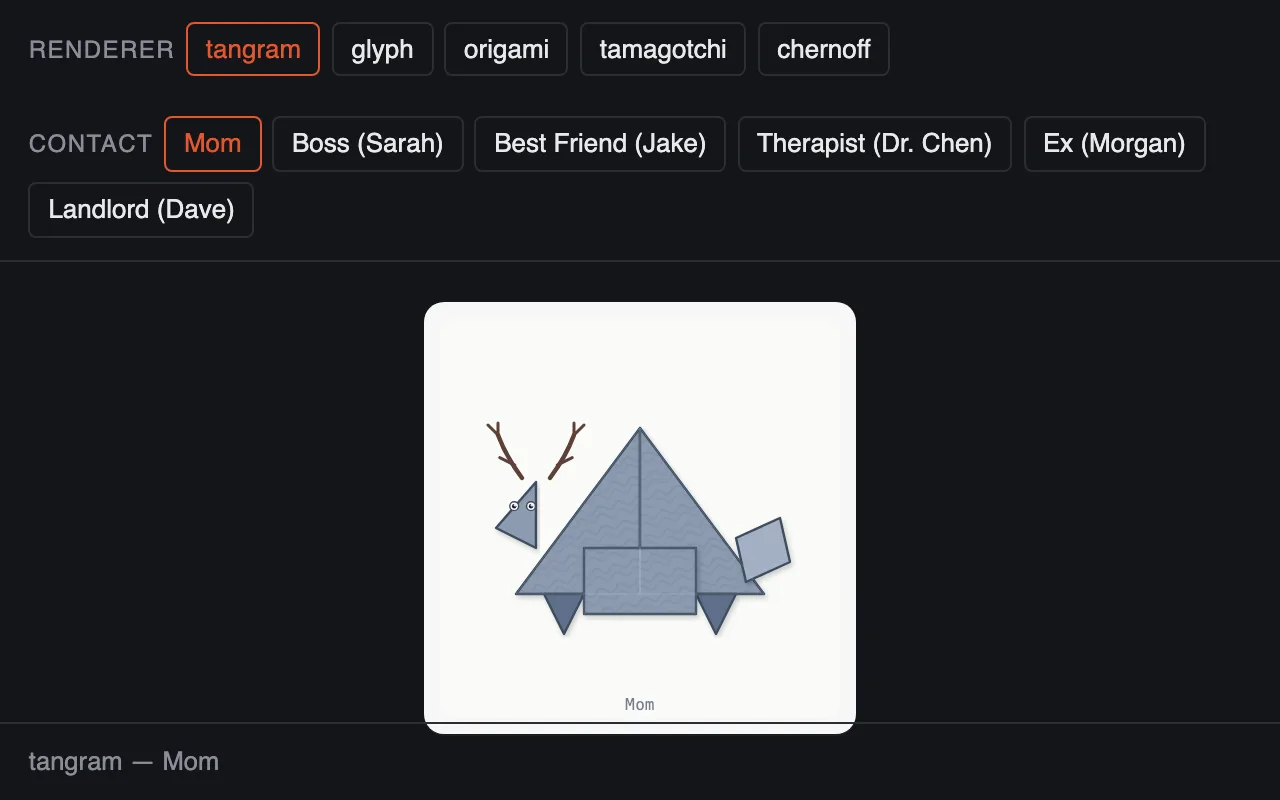
Aniemails
Your writing style, rendered as a creature.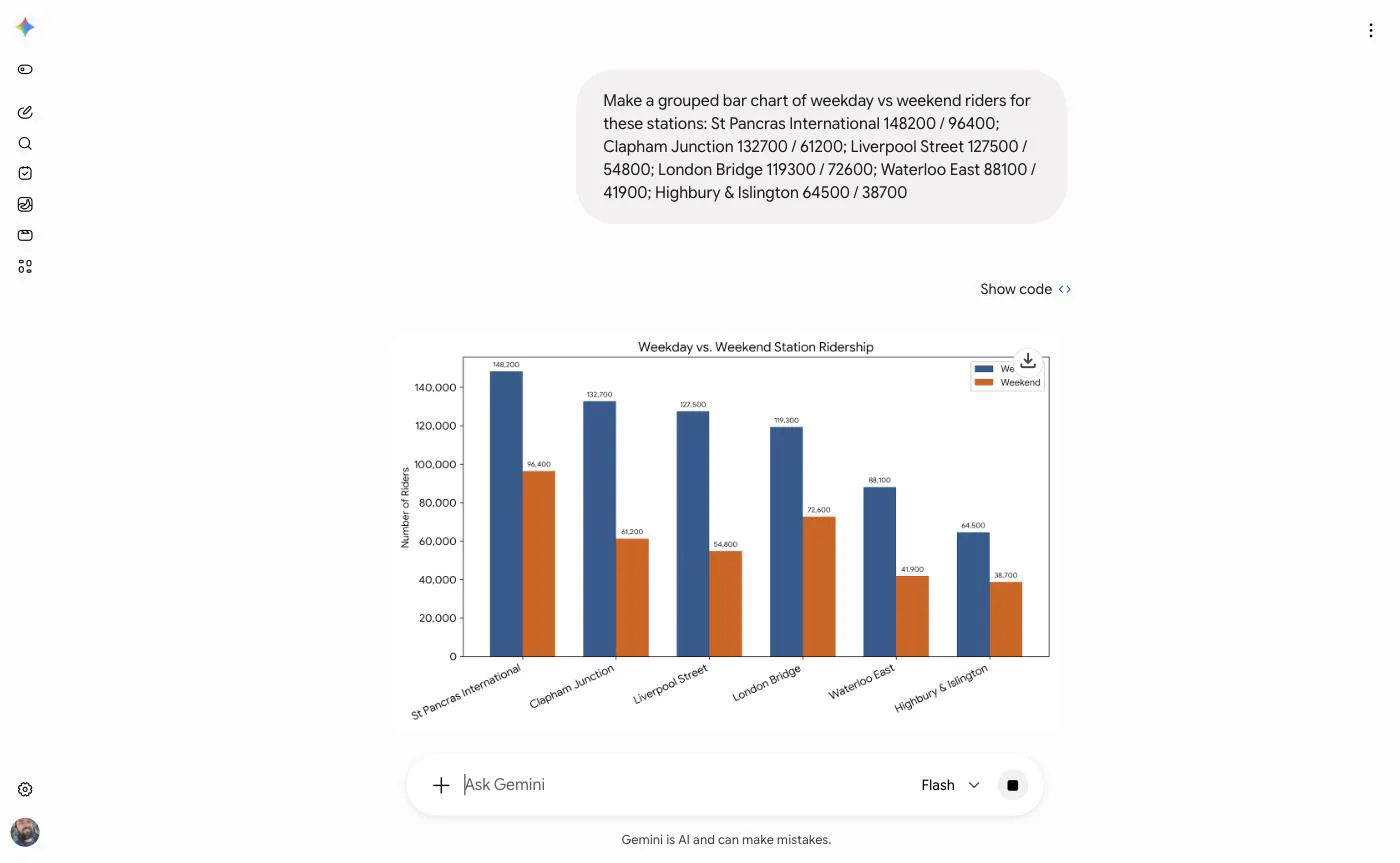
Gemini implicit code execution
When a model writes the chart, who is allowed to fix it?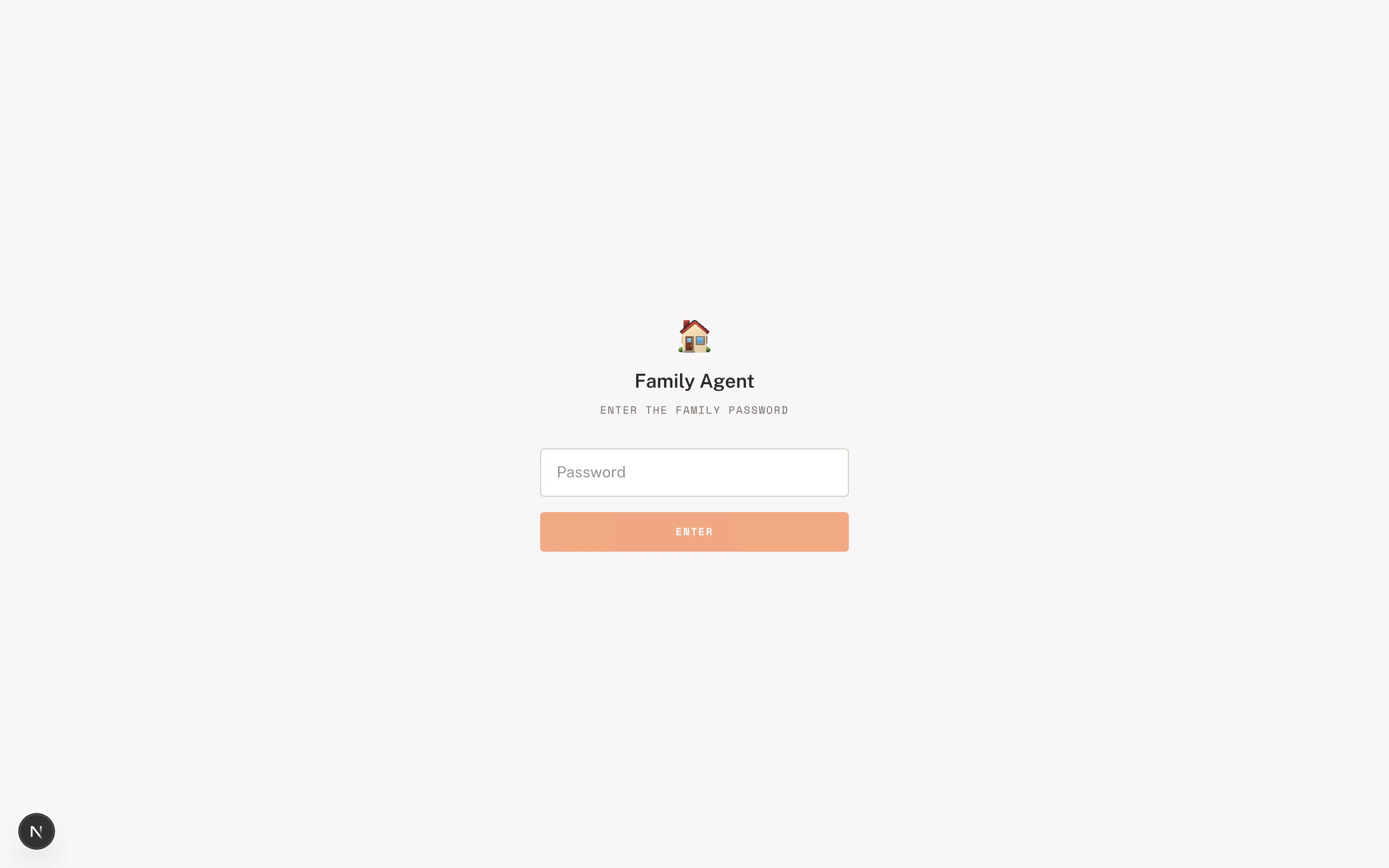
Family Agent
A household assistant that two people actually use every day.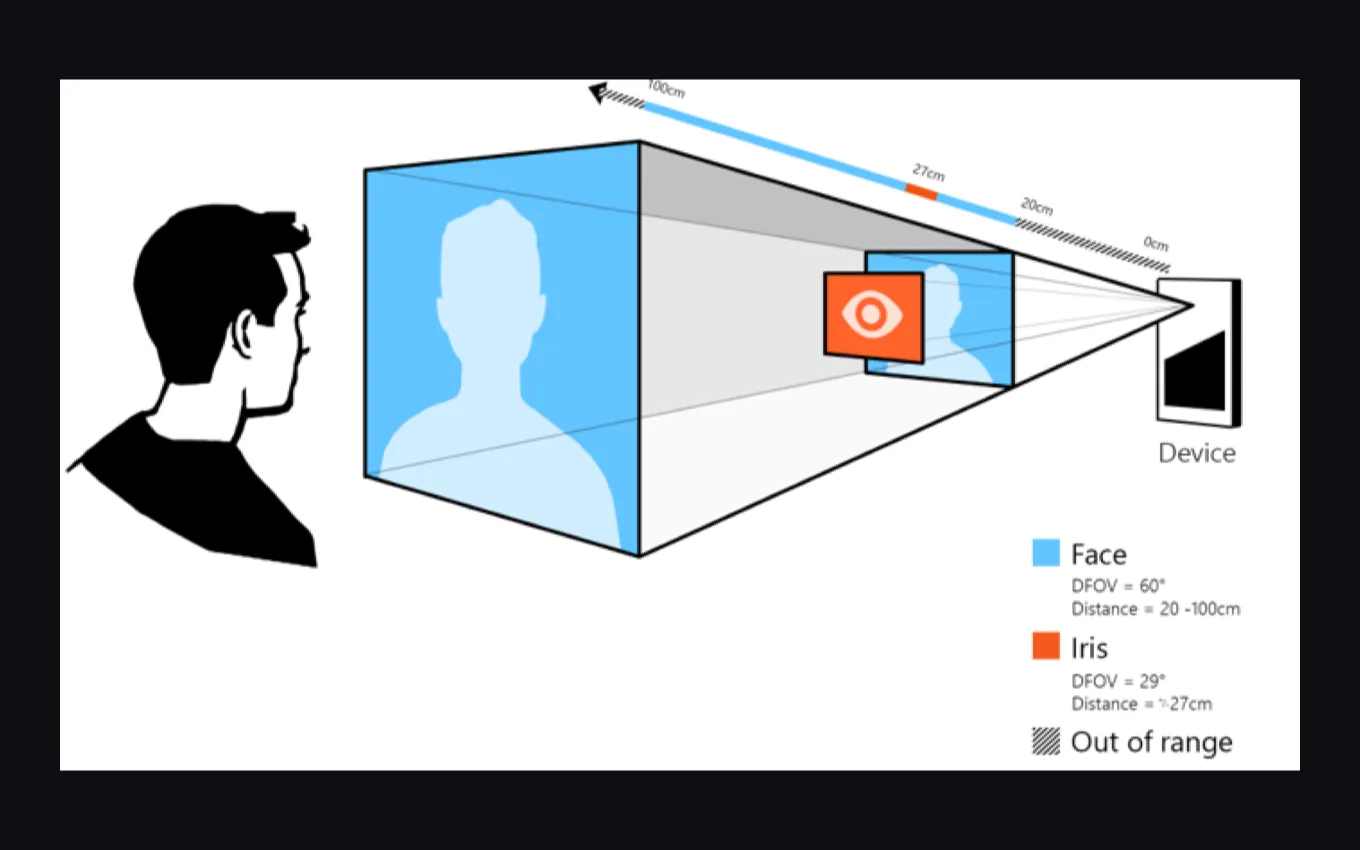
Windows Hello
A face unlock has to decide how sure is sure enough. What does the screen do while it decides?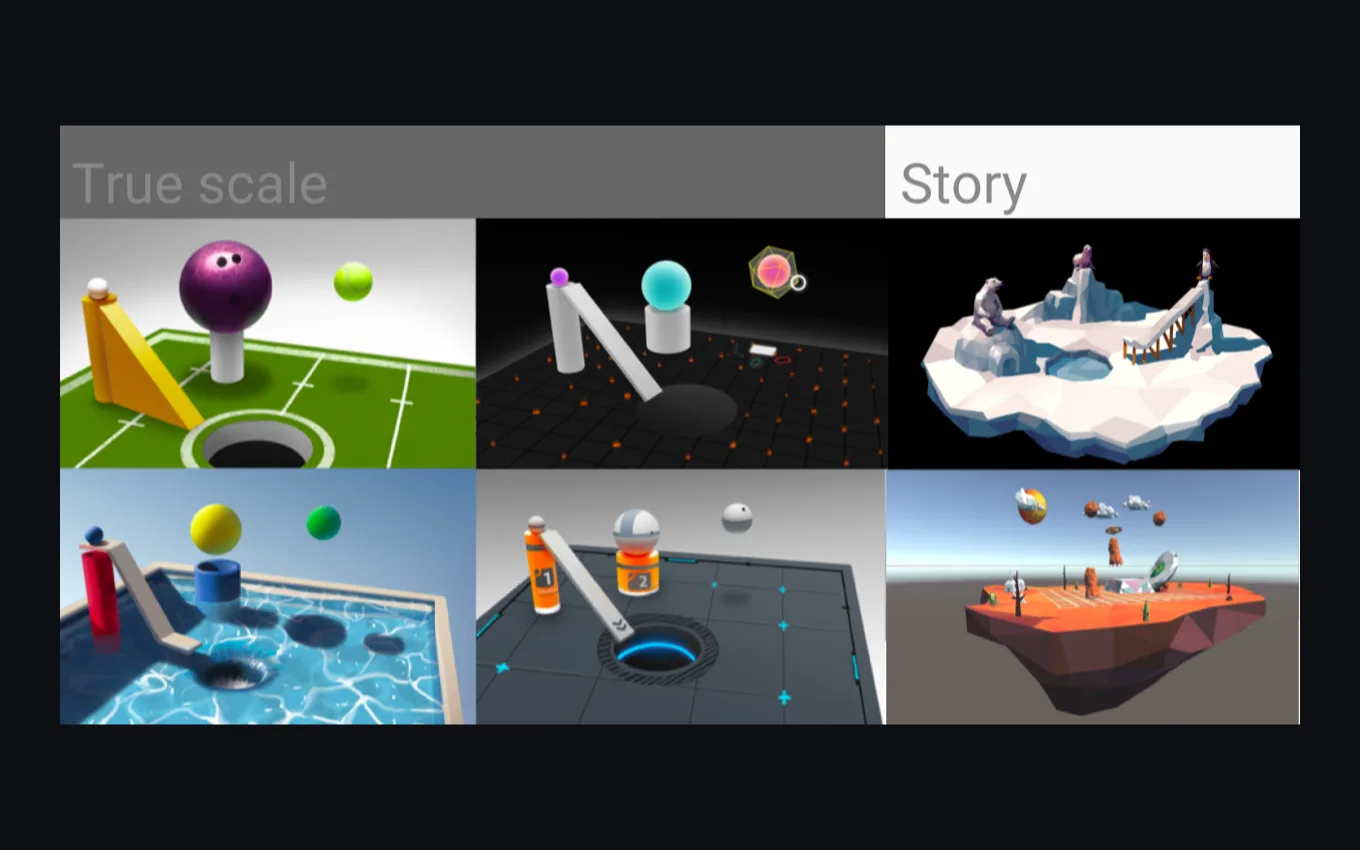
HoloLens Academy
How do you teach a new input model in the ten minutes a stranger will give you?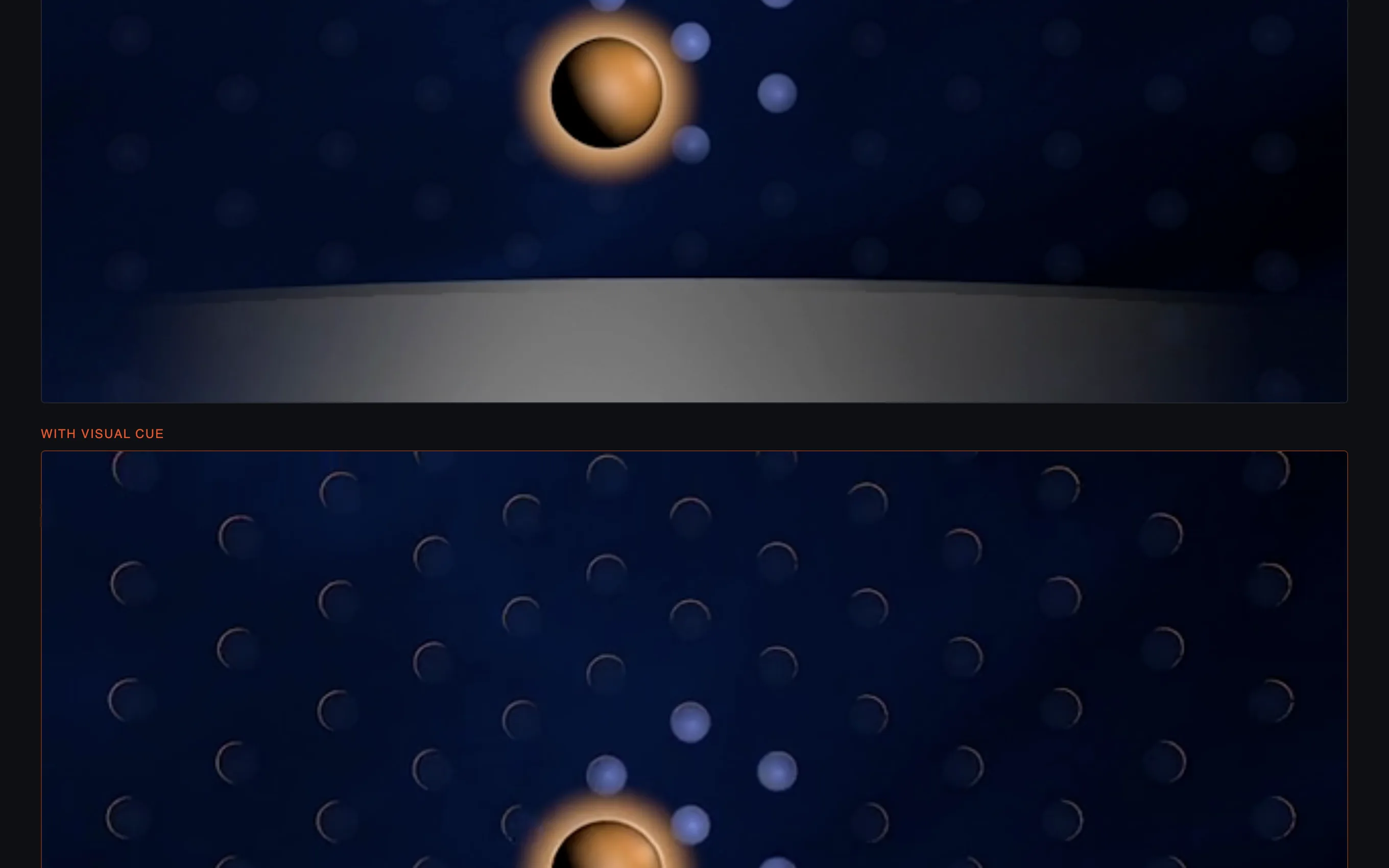
HoloLens first-run
Does a placed object need the space around it to react, before it reads as placed?Will Jennings
Product designer
A decade on how voice and AI systems talk to people, at Microsoft and Google. The prototypes are built in code and checked before they are shown. The pattern across all of it: trust is not built when the system is right. It is built when the system is honest about being unsure.
- (Every claim here carries a confidence marker)
- (Markers are read from a written verification log)
- (Nothing on this site is a mockup)
- (How the markers are decided)
- Confident
- Observed running, or shipped and captured.
- Partial
- Part observed. The rest is self-reported.
- Unverified
- Asserted only. Nothing here sits in this state.
- 2015 Lead interaction designer, Windows Hello Microsoft
- 20152016 Designer, HoloLens first-run and Academy Microsoft
- 2024 Lead designer, Gemini implicit code execution Google
- 2025Now Agents, voice and evaluation, built in code Independent
- Voice Design: Critical Subjects, Core Elements, and Cross-Functional Support Paper, 3,257 words
- Visual Character Design for Data-Mapped Communication Patterns Research synthesis, 2,064 words
Summaries on the work pages were machine-generated from the source documents, and say so.
Open to a conversation about the states nobody designs.
Email is quickest. Say what you are working on and what it does when it is unsure.
Let’s talk