The first sixty seconds of a headset decide whether the rest of it makes sense. An object appears in front of someone who has never worn one. If it reads as a picture floating at eye level, every later idea — put this here, walk around it, it stays where you left it — has nothing to stand on.
So the question was narrow and testable: does the surrounding geometry have to visibly react to an object before a first-time wearer reads it as sitting in the space rather than in front of their eyes?
The variable
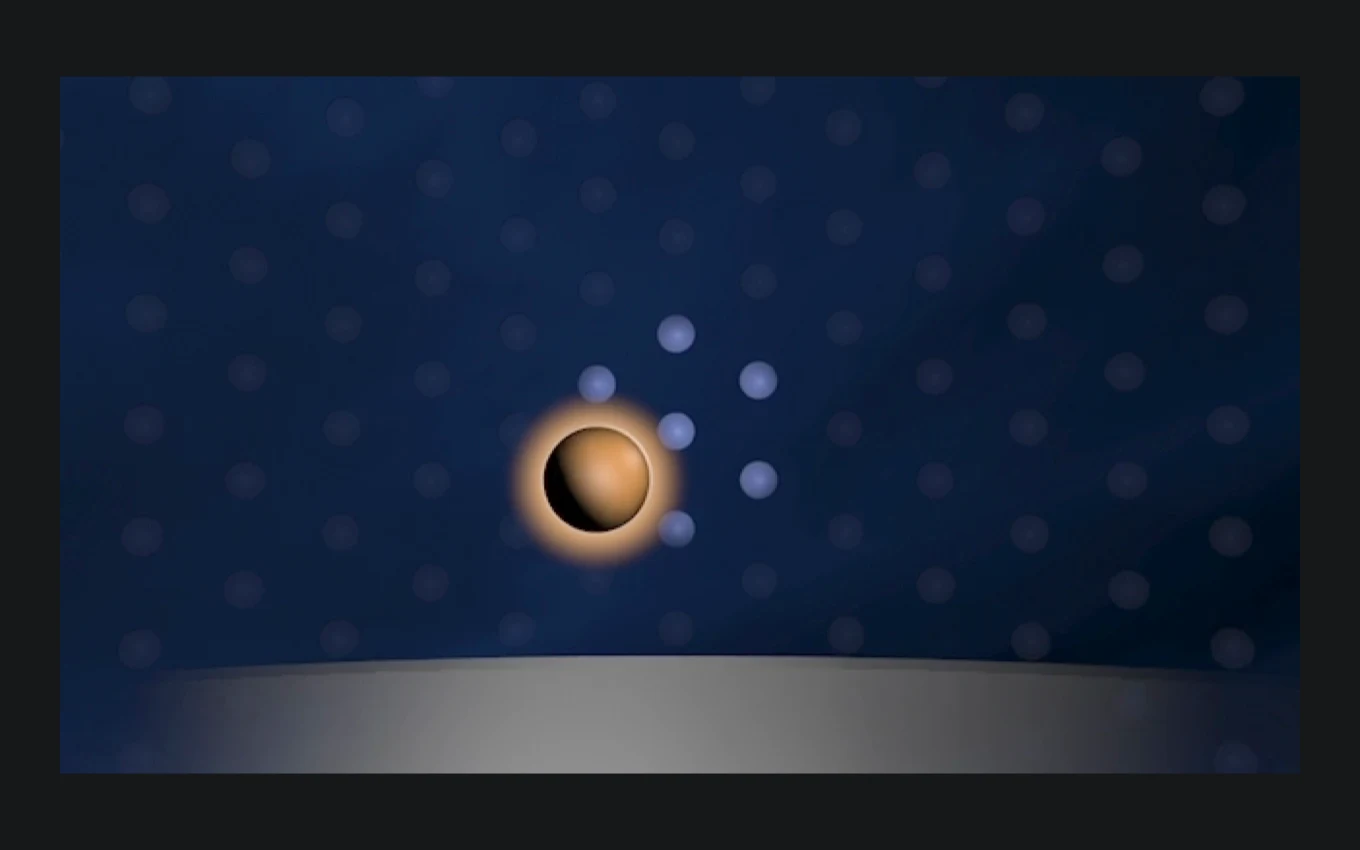
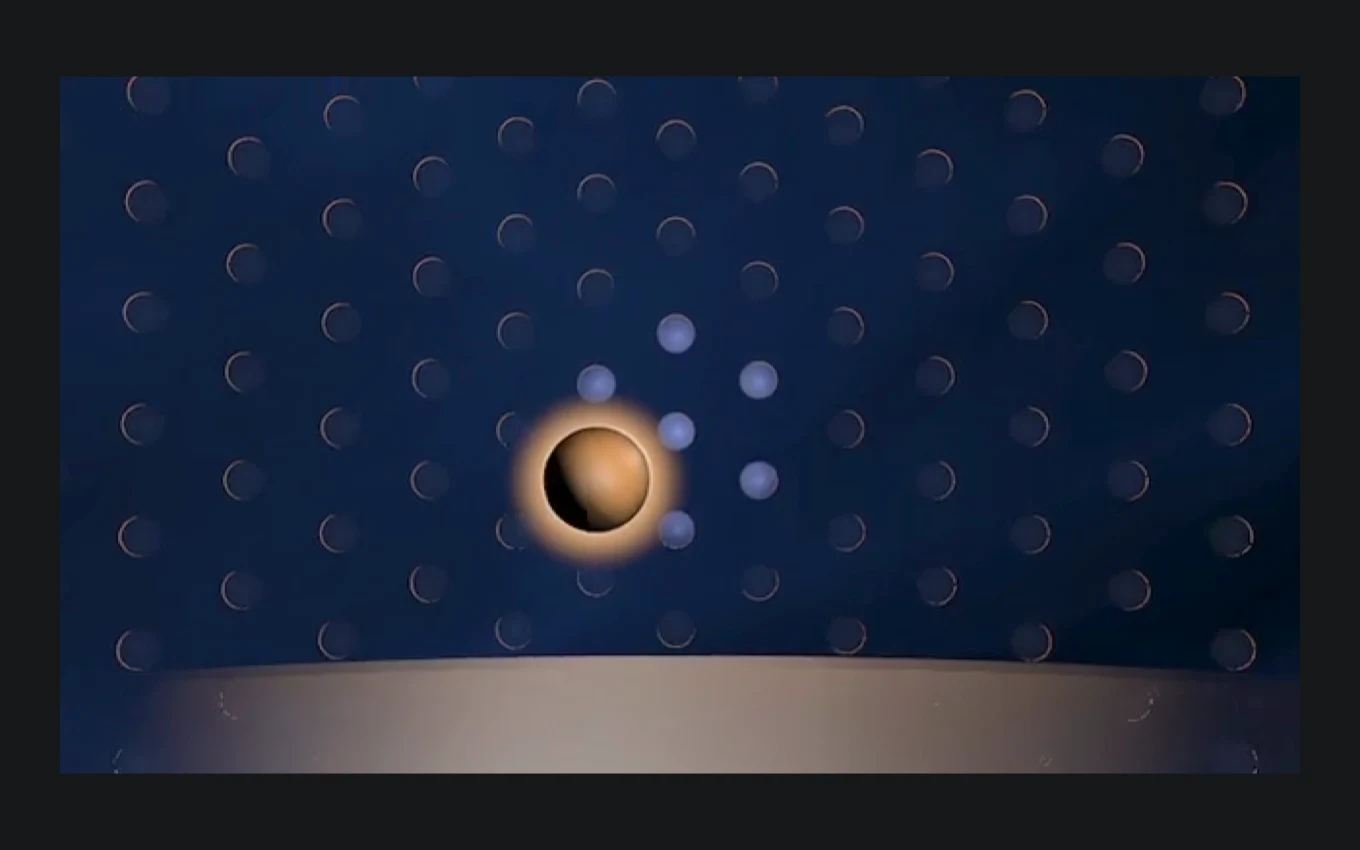
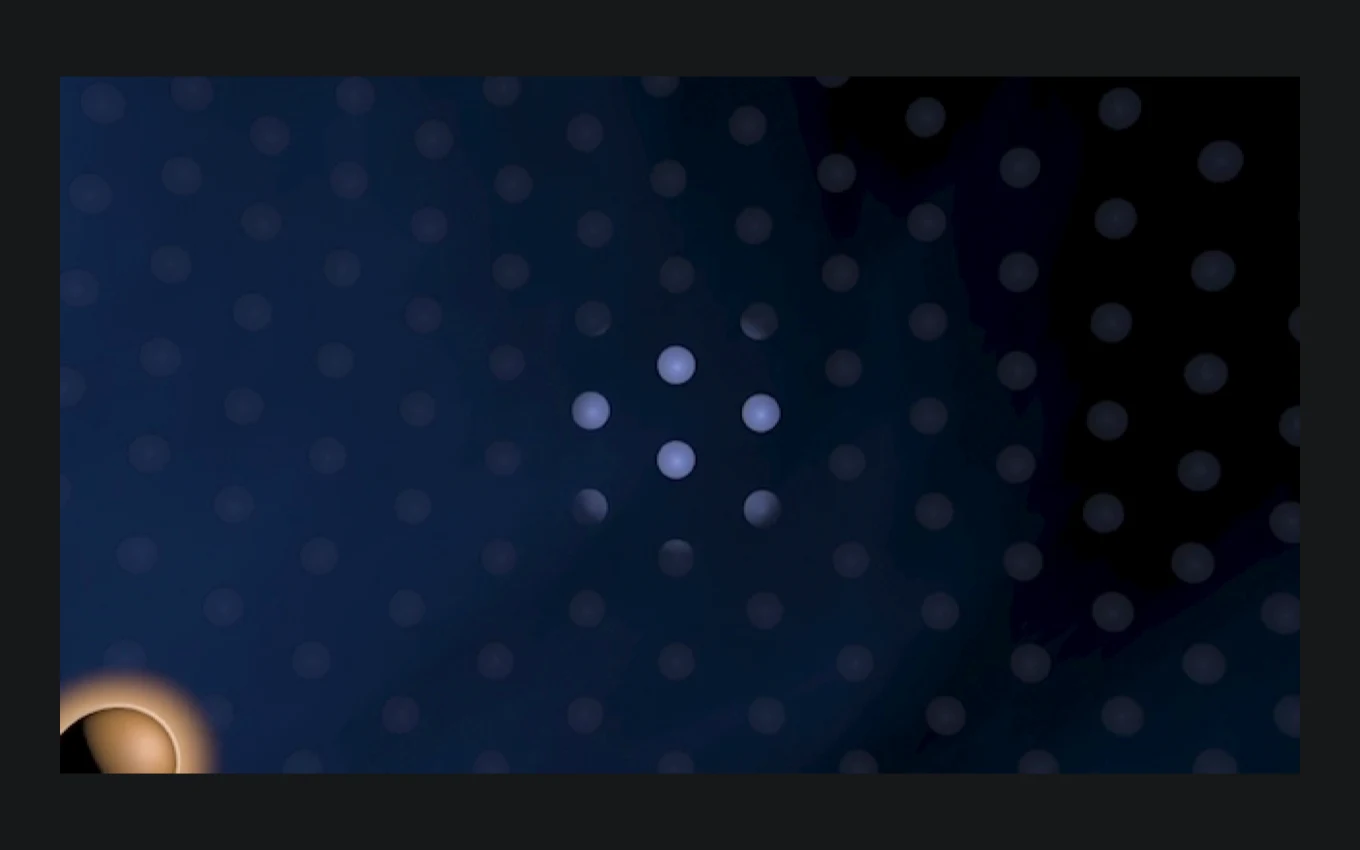
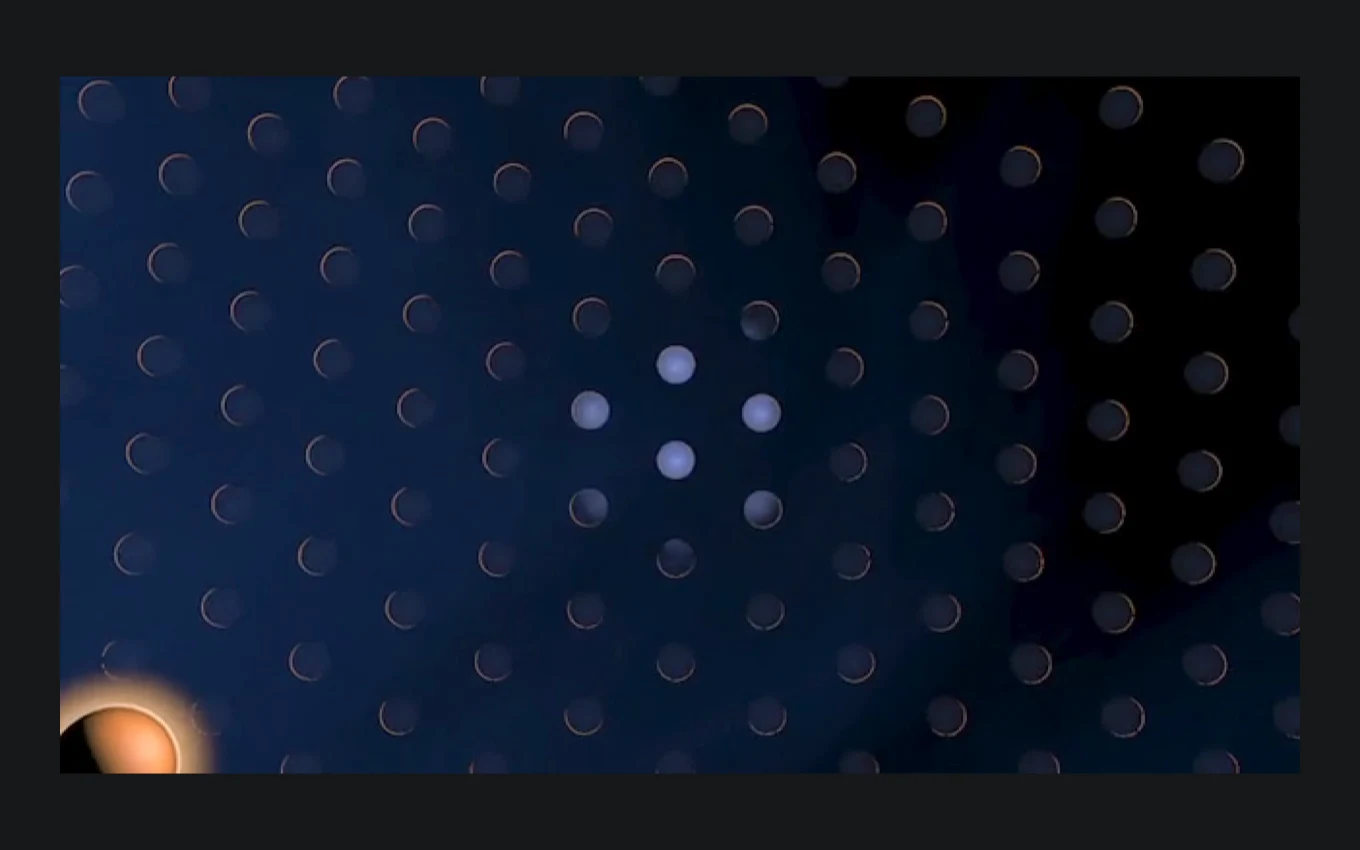
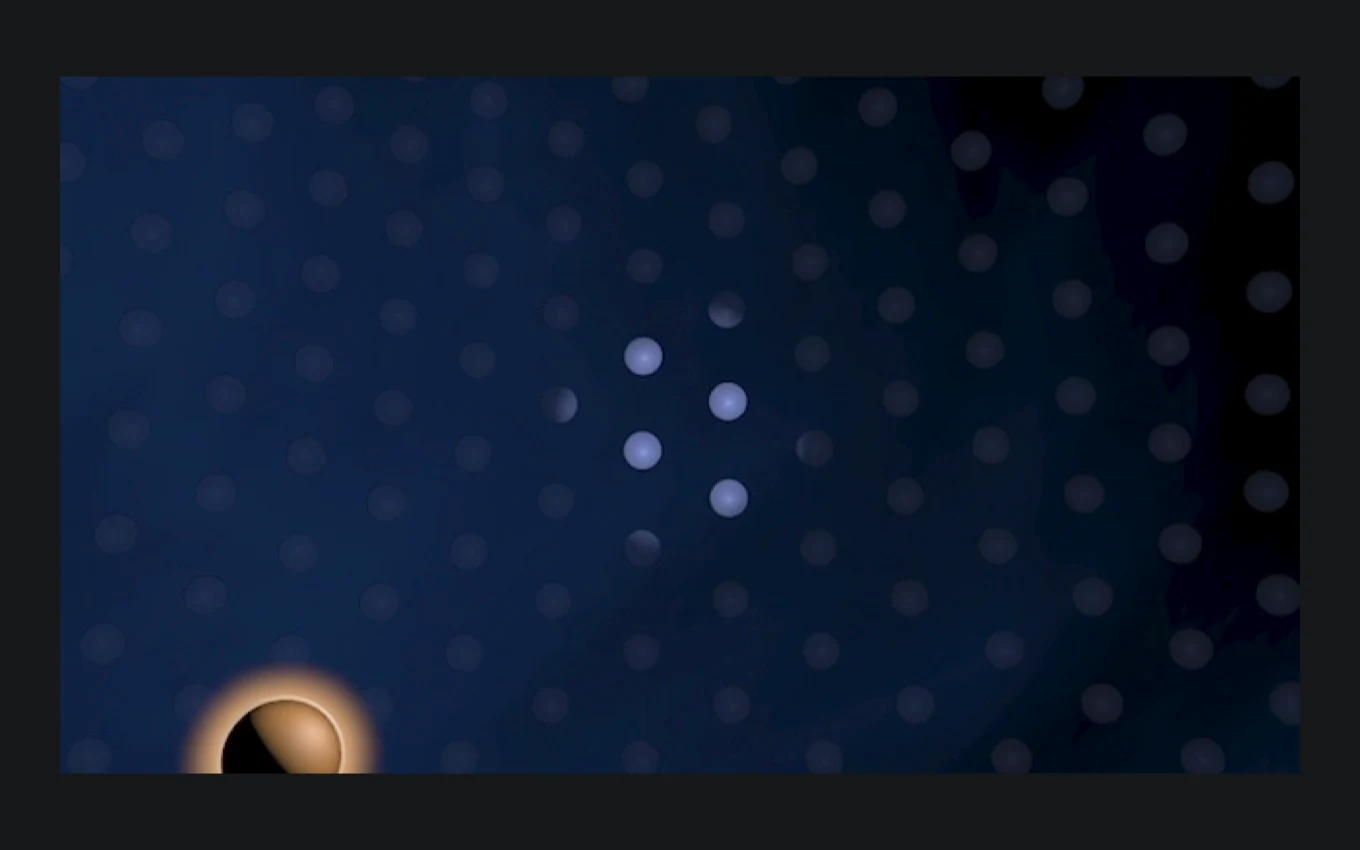
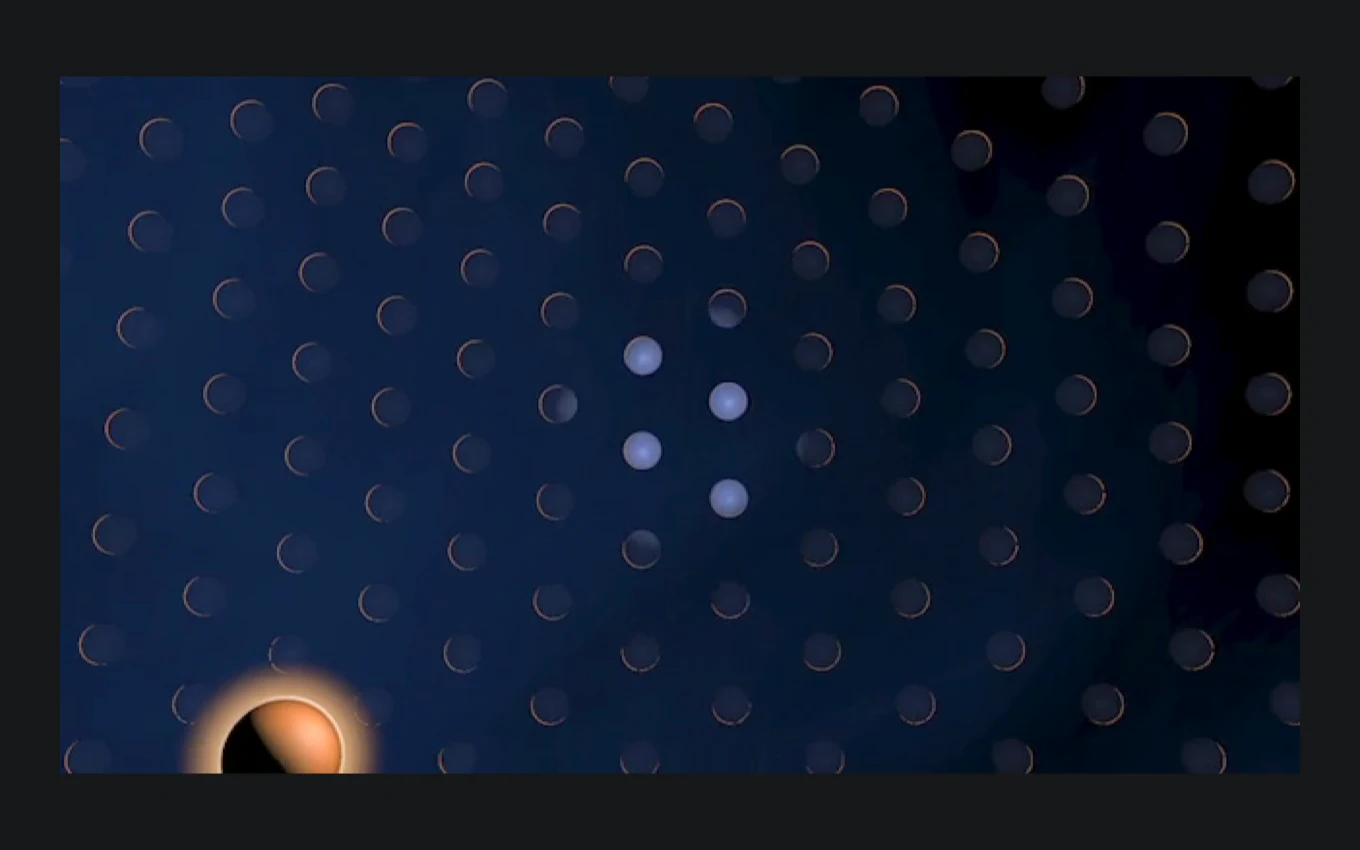
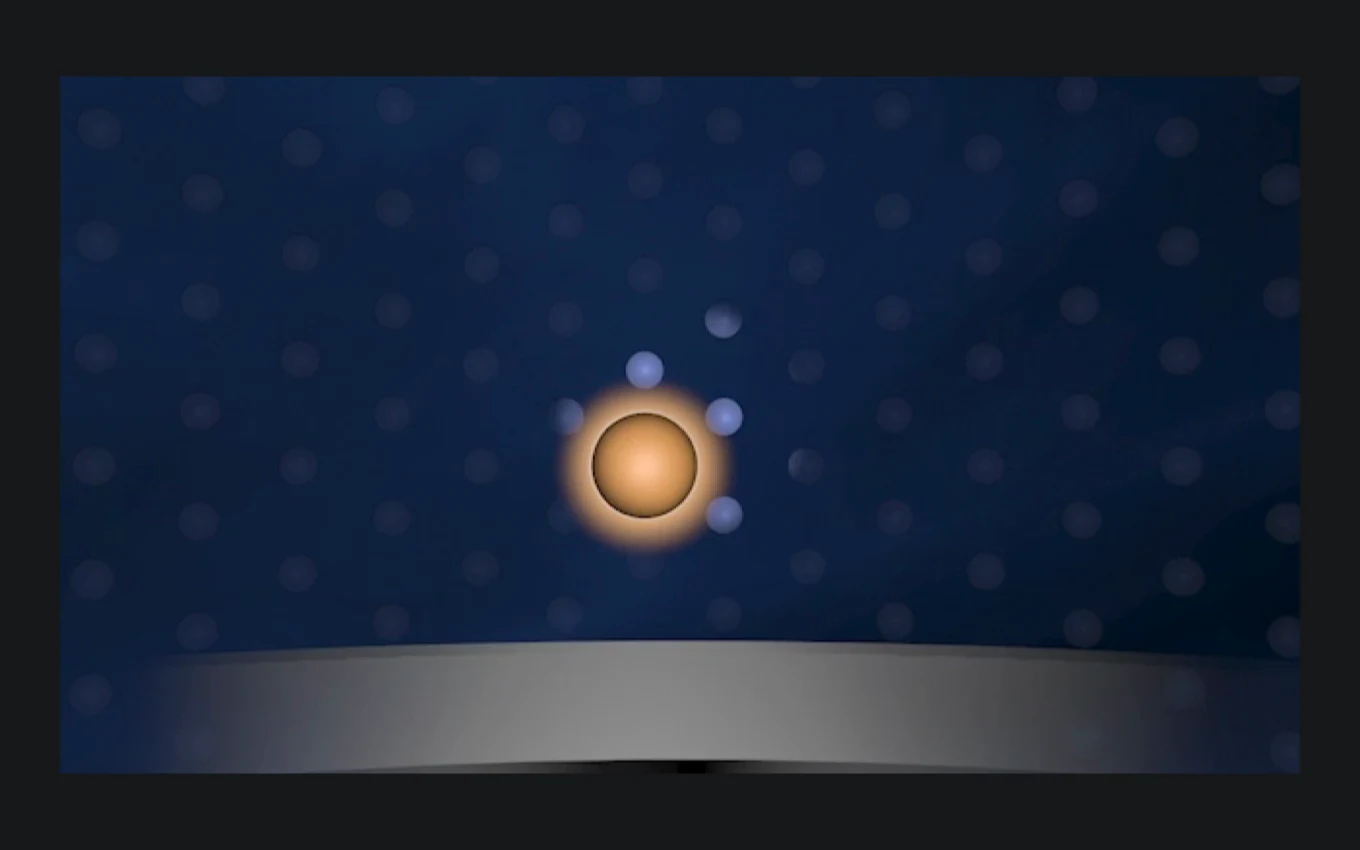
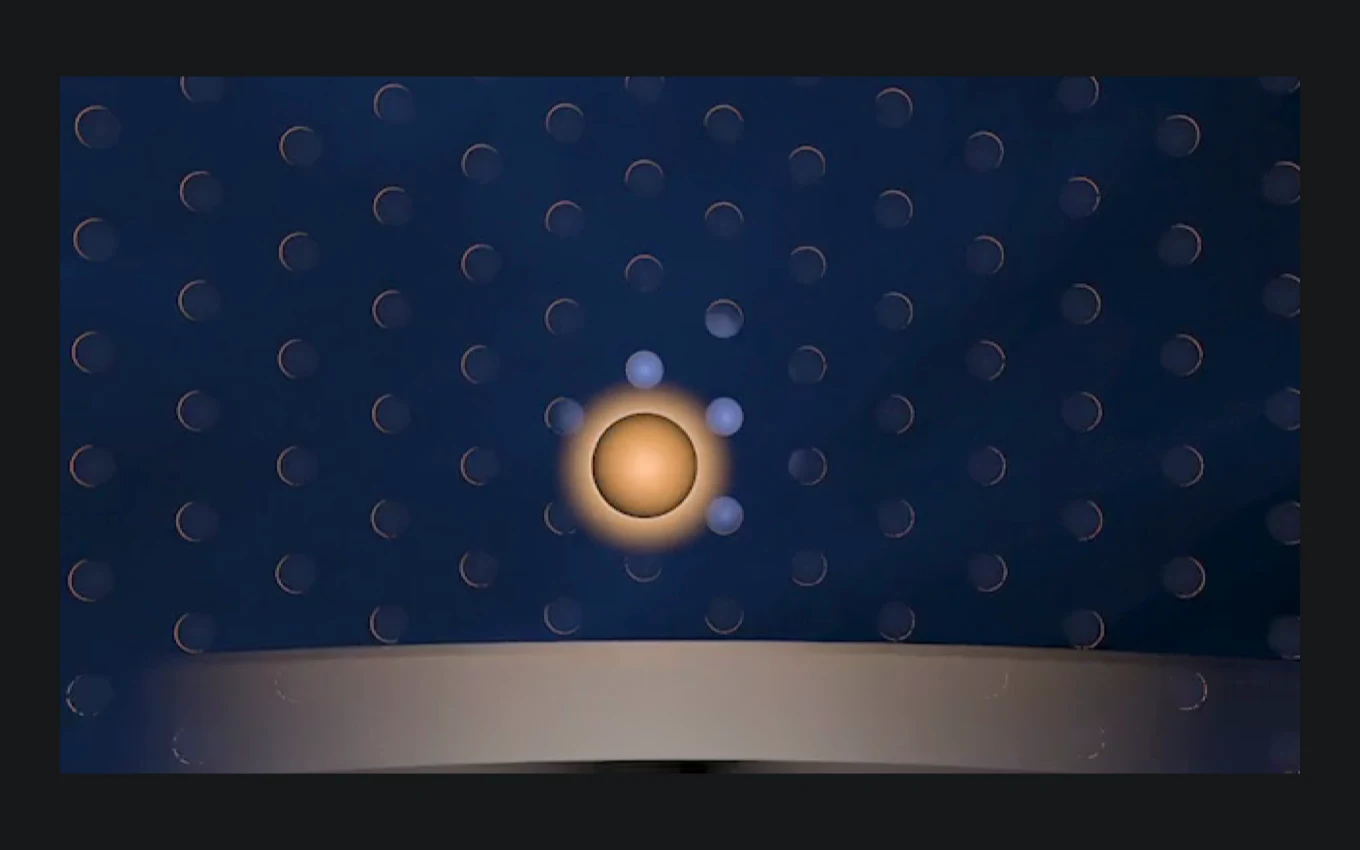
Two recordings, the same length, the same sequence, the same moment by moment. One thing differs: whether nearby surfaces respond to the light of the object placed among them.
That is a smaller intervention than it sounds. The alternative approaches were instructional — an arrow, a label, a voice explaining what had been scanned. This one adds no instruction at all. It makes the relationship between the object and its surroundings visible, and lets the person draw the conclusion.
The frames above are an instrument rather than a conclusion. Pick a moment, then flip the condition. A comparison you have to hold in memory is not a comparison — and one already drawn for you is not yours.
Why it is here
Ten years later I built FormFactors around an agent that says what it can and cannot see, and AIPointerRemix around the same question asked of a language model. This is the earliest version of that argument I have on file, and it was made in hardware: a system that perceives something should show you it perceives it, or you will not trust what it does next.
What this page does not claim
I have the two prototype conditions. I do not have the study that ran against them — no participant numbers, no completion times, no quotes — so there is no result reported here, and the caption on each frame describes only what is in the frame.
The scene is a constructed first-run environment, not a camera view of a real room, so nothing here demonstrates the device mapping anyone’s furniture. What it demonstrates is the lighting relationship, isolated.
The recordings are 640×360 exports, which is why these are not crisp. That is the resolution the artifact survives at.